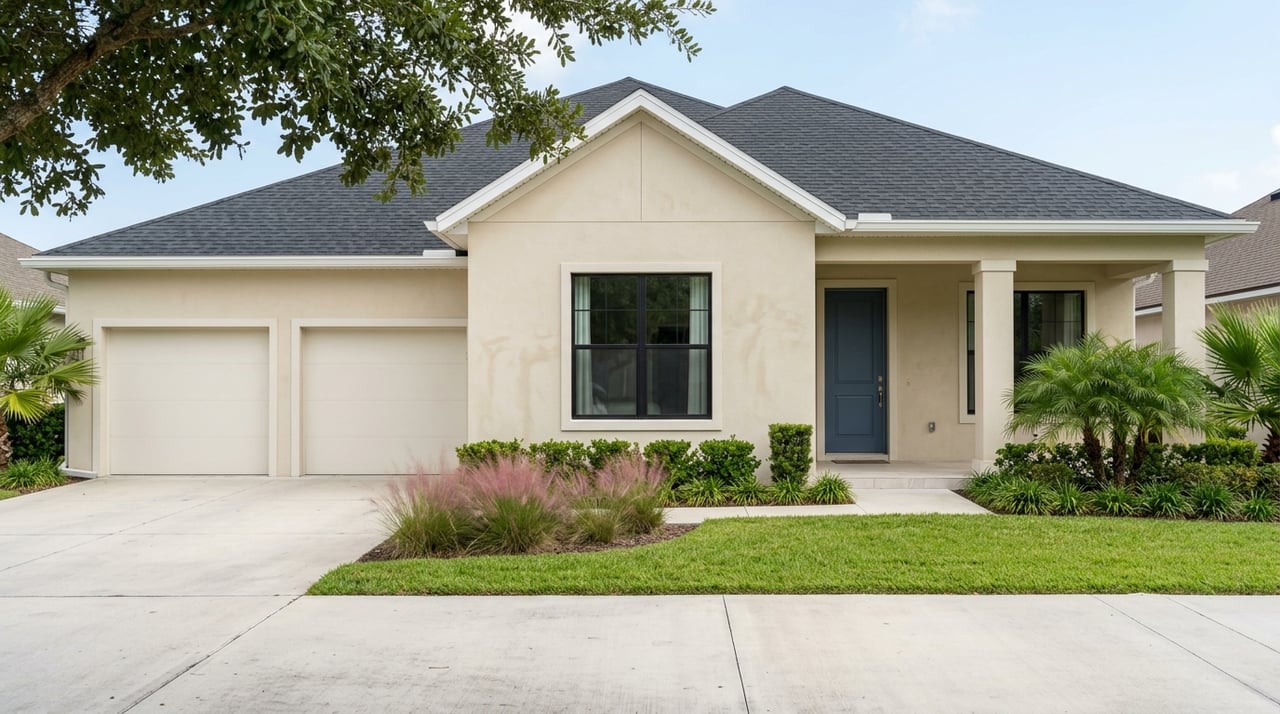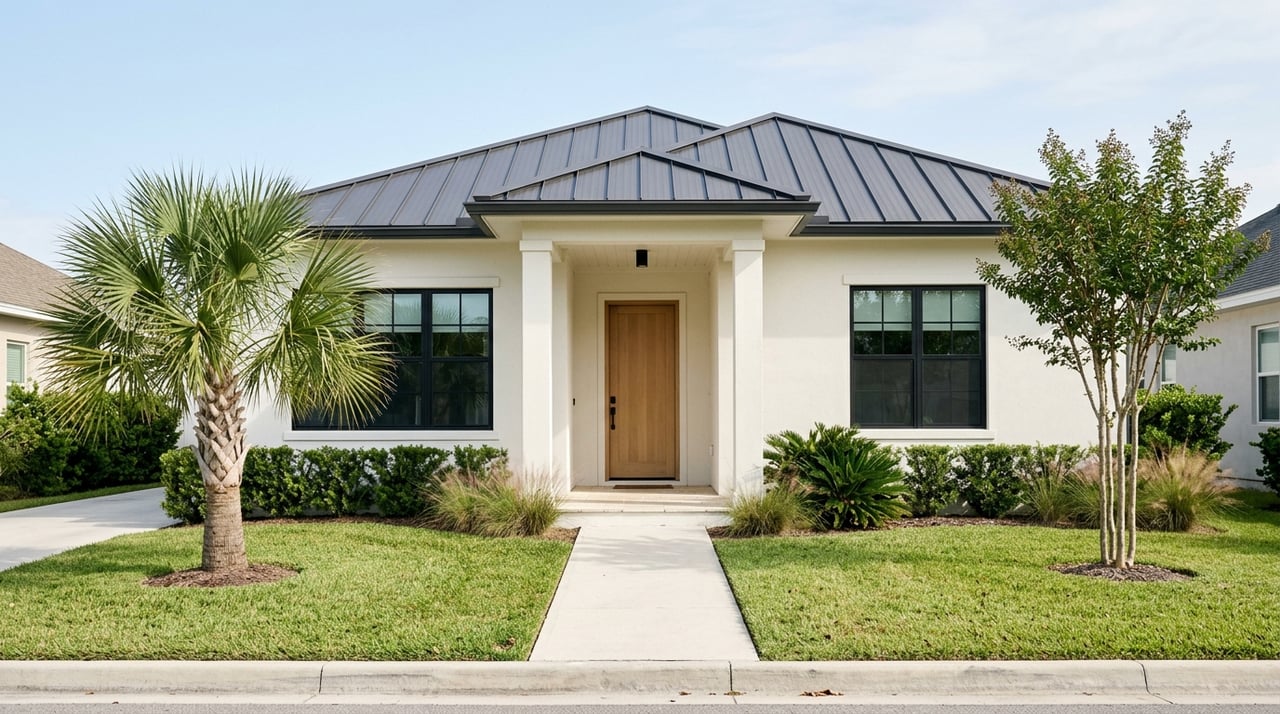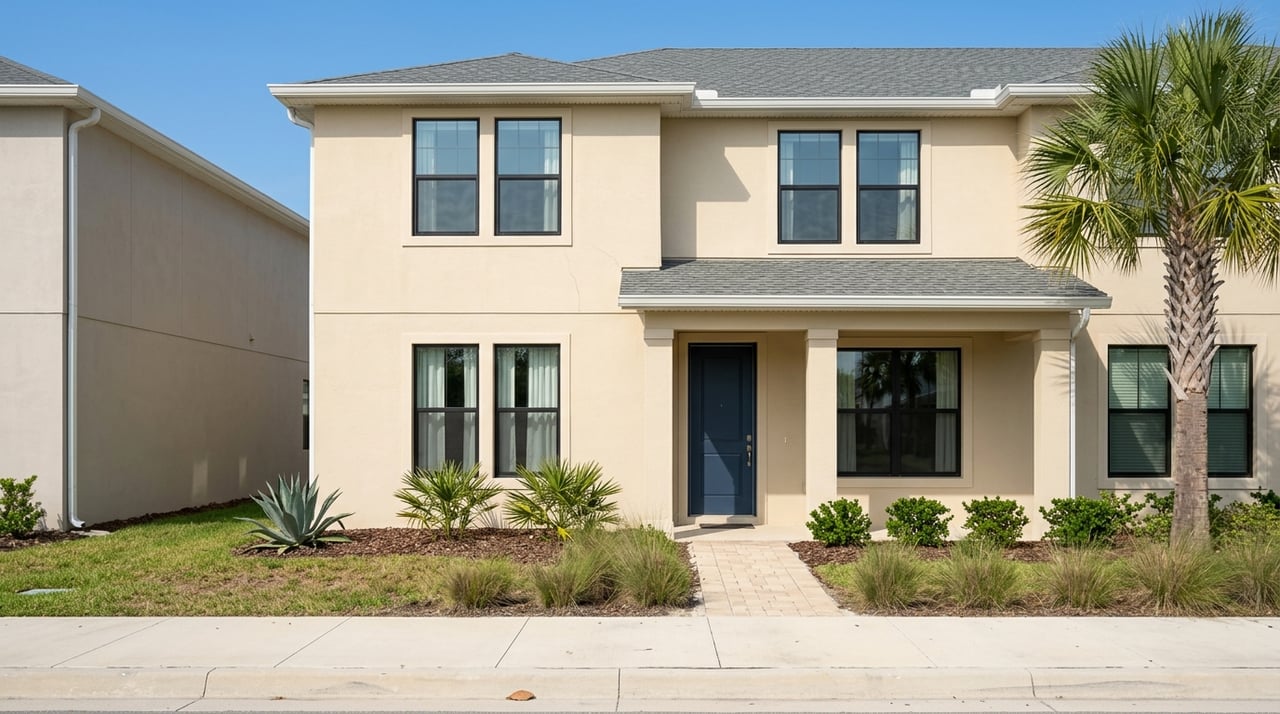
Thinking about buying a rental on Jacksonville’s Northside? It can look promising at first glance, especially when you see broad price ranges, active inventory, and rents that may support a solid screening return. But Northside is not one simple neighborhood, and that matters if you want to make a smart investment decision. In this guide, you’ll see what the numbers suggest, where investors need to slow down, and how to evaluate Northside with more confidence. Let’s dive in.
Northside Means More Than One Area
One of the first things to understand is that Northside is a broad Jacksonville submarket, not one neatly defined neighborhood. Different market portals label it differently, including North Jacksonville, North Side, and Northside of Jacksonville. That means you should treat the name as a starting point, not a final comp area.
If you are comparing purchase prices, rents, or days on market, the exact ZIP code and neighborhood matter. A property near the airport, a historic pocket with older homes, and a multi-family listing in another section of Northside may all perform very differently. For investors, that makes micro-market research essential.
Why Northside Draws Investor Interest
Northside benefits from being part of one of Jacksonville’s major transportation and logistics corridors. Jacksonville International Airport is in north Jacksonville near I-295 and I-95, with access to the Port of Jacksonville and I-10 West within about a 15-minute drive. The city also highlights the area’s interstates, railroads, airport, and deepwater port as major logistics assets.
That kind of connectivity can support steady housing demand across different renter profiles. It does not guarantee a good deal, but it helps explain why many investors keep Northside on their watch list. Location fundamentals often matter most when you are evaluating long-term rental demand.
North Jacksonville and the airport area also include well-known local destinations such as River City Marketplace, the Jacksonville Zoo, the JAXPORT Cruise Terminal, Kingsley Plantation, and the Talbot Islands. In other parts of the broader Northside area, there are historic neighborhoods with older housing stock. For some investors, that mix can create value-add opportunities, especially when a property has room for updates and better management.
Northside Price and Rent Benchmarks
Recent market data gives you a useful starting point. Realtor.com’s North Jacksonville data through May 2026 reports a median listing price of $342,750, a median rent of $2,100 per month, median days on market of 57, and a median listing price per square foot of $179. It also shows about 1,037 homes for sale and 321 rental listings.
That same data shows for-sale inventory down 11.4% year over year and rental inventory down 23.34% year over year. In simple terms, that suggests there is still meaningful inventory, but pricing has remained fairly firm. The reported sale-to-list ratio of 100% also points to a market where sellers are often landing near asking price.
Using the median listing price and median rent together gives a rough gross-rent yield of about 7.35% before vacancy, financing, taxes, insurance, repairs, and other operating costs. That is not your final return, but it is a useful screening metric when you are comparing Northside to other Jacksonville submarkets.
Why Asset Class Matters So Much
This is where many investors get tripped up. Apartments.com shows a North Side average rent of $1,376 per month, while its citywide Jacksonville average is $1,303. The same source also reports Jacksonville averages of $1,922 for houses, $1,689 for townhomes, and $1,537 for condos.
Those numbers are not interchangeable with the Realtor.com median rent figure. They reflect different geography and different property mixes. In other words, if you underwrite a single-family home using an apartment-heavy rent benchmark, or a condo using a house benchmark, your numbers can fall apart quickly.
That gap is one of the biggest lessons in Northside investing. You need to underwrite the exact asset class you plan to buy, not just rely on a broad neighborhood label. A house, condo, townhouse, or multi-family property can each have a different rent ceiling, expense profile, and tenant demand pattern.
What Inventory Mix Can Tell You
Zillow’s Northside page reflects a mixed property stock, including houses, townhouses, condos, and multi-family listings. Current examples range from the low $100,000s into the $400,000s and above, including condo listings below $200,000 and a multi-family listing around $250,000.
That variety can be helpful if your investment strategy is flexible. You may be able to compare entry price, expected rent, and renovation risk across several property types in the same broad submarket. At the same time, it is another reminder that Northside should not be analyzed with a one-size-fits-all rent assumption.
How to Think About Returns
The rough 7.35% gross-rent yield is a screening tool, not a decision tool. It can help you narrow your search, but it does not tell you whether a property will actually cash flow or meet your long-term goals.
For a buy-and-hold investor, the real question is simple: does the deal still work after real expenses are layered in? That includes taxes, insurance, maintenance, repairs, management, vacancy, and financing costs. A property that looks strong on gross rent can weaken quickly once you account for all the carrying costs.
Northside Rental Expense Checklist
When you underwrite a Northside rental, build your budget around the most common expense categories:
- Property taxes
- Insurance
- Maintenance and repairs
- Property management fees
- Utilities, if owner-paid
- Financing costs
- Reserves for larger capital items
This checklist helps you move from a quick online estimate to a more realistic investment picture. It also keeps you from relying too heavily on rent alone.
Duval County Tax Timing Matters
In Duval County, real estate taxes are assessed each year based on the property’s value as of January 1. Tax notices go out in November, current taxes are due by March 31, and unpaid taxes become delinquent on April 1.
Your bill may also include non-ad valorem charges, such as solid waste collection and stormwater discharge. The Property Appraiser determines value and exemptions, while taxing authorities set the rates. For investors, this means your carrying-cost estimate should include more than just a quick tax line from a listing.
Another key point is homestead treatment. Duval County’s homestead exemption applies to a property that is your permanent home or the permanent home of a dependent. If you are buying a rental, your underwriting should not assume owner-occupied tax treatment.
Verify the Parcel, Not Just the Map
Northside’s broad identity makes due diligence especially important. The Duval County Property Appraiser offers property search tools, GIS maps, sales data, and a tax estimator, which can help you verify parcel-level facts before you make a decision.
Just remember that the office also warns that aerial imagery should not be relied on for exact boundaries. If boundary lines, lot dimensions, or site issues matter to your deal, parcel-level verification, a survey, and title review are more reliable than a general neighborhood map. That can be especially important when you are comparing homes in loosely defined sections of Northside.
Who Northside May Fit Best
Northside may be a strong fit if you are comfortable doing careful, property-by-property analysis. The area’s mix of historic pockets, logistics access, and varied housing types can create opportunity, but only if you are disciplined about underwriting.
It may be especially appealing if you want options across different price points or you are open to value-add properties with older housing stock. But if you want a simple plug-and-play submarket with one easy rent assumption, Northside may feel more complex than expected.
A Smart Way to Evaluate a Deal
If you are serious about investing here, a practical approach looks like this:
- Define the exact subarea, ZIP code, and property type.
- Compare rents using similar asset classes only.
- Estimate taxes using local Duval County tools and timelines.
- Add realistic costs for insurance, repairs, management, and reserves.
- Verify parcel details before relying on broad map labels.
- Recheck whether the numbers still work after vacancy and financing.
That process may feel more detailed, but it can protect you from one of the biggest Northside mistakes: treating a broad submarket like a single neighborhood.
The Bottom Line on Northside Investing
Jacksonville’s Northside can offer real opportunity for rental property investors, but the answer is rarely a simple yes or no. The area has solid location fundamentals, broad inventory, and a property mix that may work for different budgets and strategies. Still, your results will depend heavily on the exact subarea, the asset class, and the true operating costs behind the listing price.
If you want to invest wisely here, think like a local and underwrite like an owner. The best deals are usually found when you look past the umbrella label and focus on the exact property in front of you.
If you want help evaluating opportunities in Jacksonville with a more strategic, finance-aware approach, connect with Terri Drummond.
FAQs
Is Northside Jacksonville one neighborhood for rental investing?
- No. Northside is better understood as a broad Jacksonville submarket with different labels and multiple micro-markets, so you should verify the exact neighborhood or ZIP before comparing deals.
What is the median listing price in North Jacksonville?
- Realtor.com reports a median listing price of $342,750 for North Jacksonville based on historical data through May 2026.
What is the median rent in North Jacksonville?
- Realtor.com reports a median rent of $2,100 per month, but you should match rent assumptions to the exact property type and location.
Is Northside Jacksonville good for buy-and-hold investors?
- It can be, especially if you are comfortable underwriting by subarea and asset class instead of using one broad market assumption.
What expenses should you include for a Northside rental property?
- Common expenses include property taxes, insurance, maintenance, repairs, management fees, utilities if owner-paid, financing costs, and reserves for major capital items.
How do Duval County property taxes work for rental property owners?
- In Duval County, taxes are assessed based on January 1 value, notices go out in November, current taxes are due by March 31, and unpaid taxes become delinquent on April 1.
Should you assume a homestead exemption on a Northside rental property?
- No. Duval County homestead treatment applies to a permanent home, so rental property underwriting should not assume owner-occupied tax treatment.
Why is asset class important when evaluating Northside rents?
- Because houses, condos, townhomes, apartments, and multi-family properties can have very different rent levels and operating costs, even within the same broad Northside area.