Ask a lender what a VA loan buys you in Jacksonville and the pitch sounds the same everywhere: zero down, no mortgage insurance, competitive rates. What that pitch leaves out is that the VA loan does not evaluate every house the same way. It comes with a property standard, safe, sound, and sanitary, that a cash buyer or a conventional borrower never has to clear. On most of Jacksonville's Northside, that standard is a formality. On the rest of it, it is the reason a deal stalls in week three.
The Northside is not one housing market. It is two, split by the age of the house, and a veteran shopping there with a Certificate of Eligibility in hand needs to know which one they are standing in before they write an offer.
The Zero-Down Math Looks Best on the Cheapest Homes, Which Are Also the Oldest
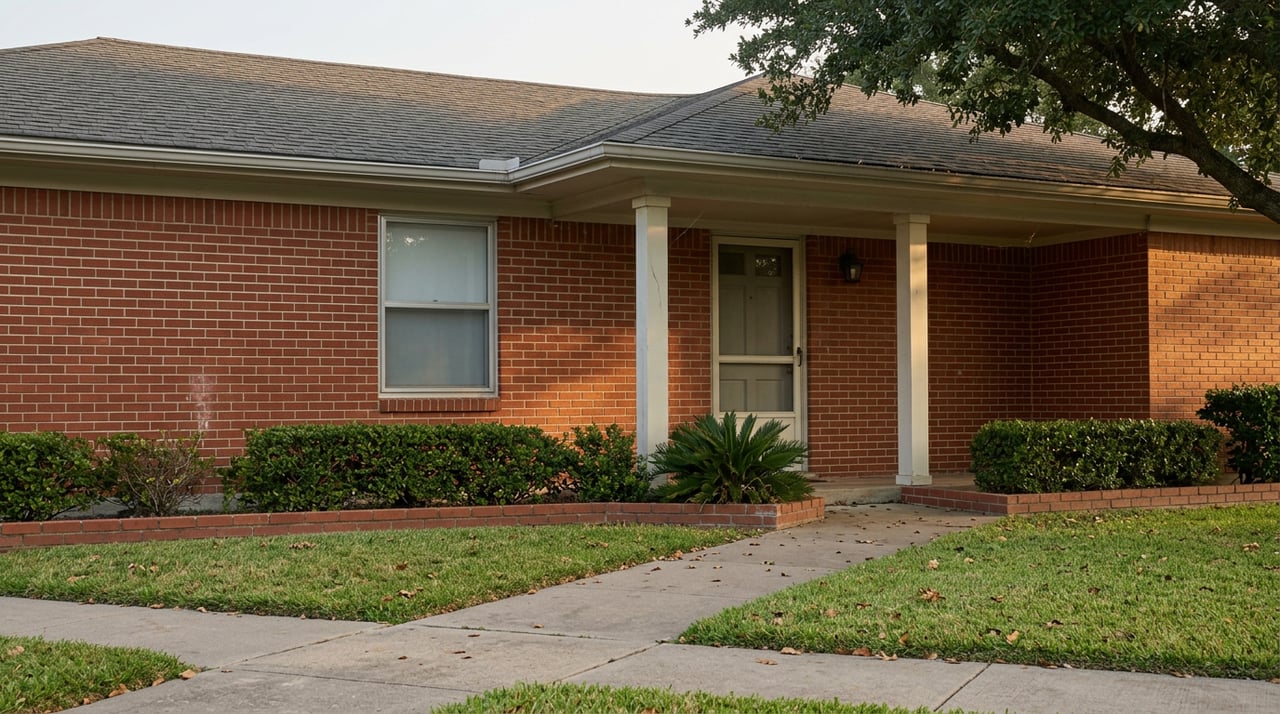
Start with the price split, because it explains everything that follows. Established Northside neighborhoods, the older mid-century subdivisions inland from the airport, still carry some of the most affordable homes in Duval County, with plenty of listings in the $180,000 to $280,000 range. That is exactly the price tier where a zero-down VA loan does the most work, since a veteran with no down payment saved is stretching further on a $220,000 house than on a $400,000 one.
But the newer pocket of the Northside, the master-planned construction going in near Jacksonville International Airport and River City Marketplace, has pushed the submarket's overall single-family median up to somewhere between $380,000 and $425,000 as of mid-2026. Same zip codes, same neighborhood name on a map, two very different housing stocks sitting side by side.
That gap is not just about square footage. It is about what the VA appraiser finds when they walk the property.
What "Safe, Sound, and Sanitary" Actually Checks For
A VA appraisal is not a home inspection. It is a narrower review built around a single question: does this house meet the VA's Minimum Property Requirements well enough to back the loan. Two of those requirements matter more on the Northside's older housing stock than almost anywhere else in the market.
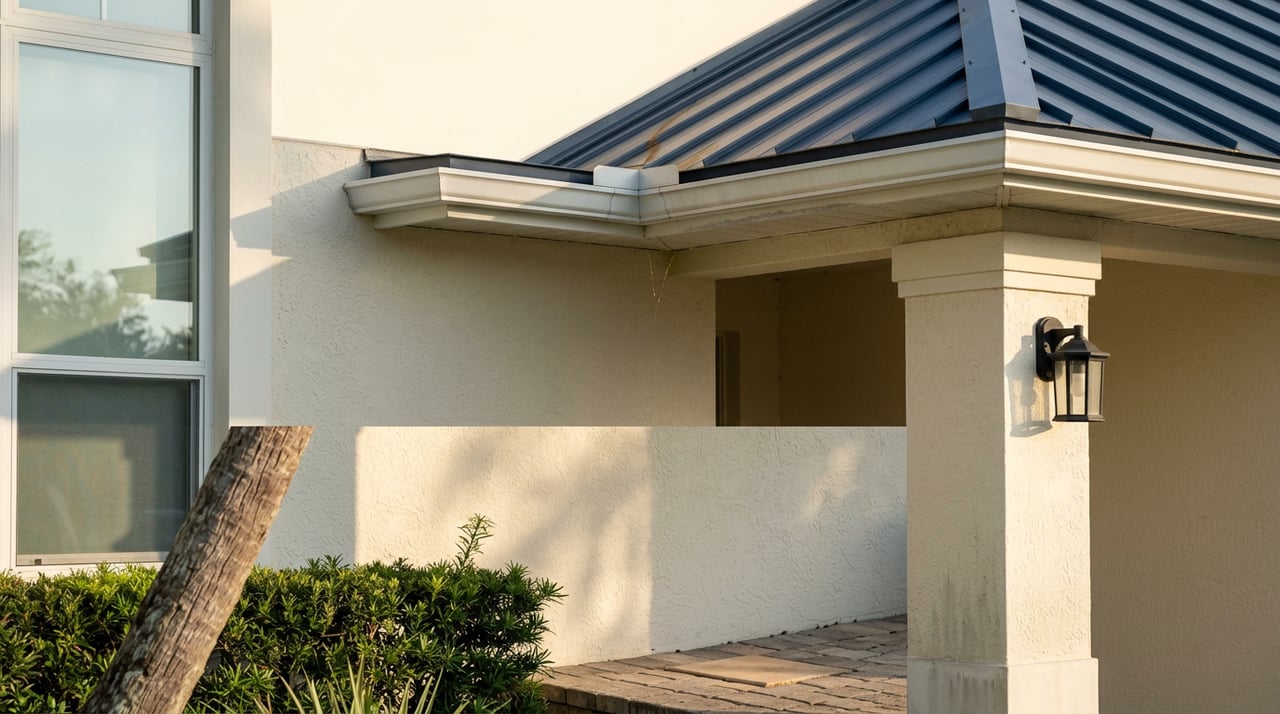
The first is roof condition. A Florida VA file does not automatically fail because the roof is old. The appraiser has to certify that the roof has at least three to five years of remaining useful life and shows no active leaks. A well-maintained 15-year-old shingle roof on an established Northside home can pass. A roof nearing the end of that window cannot, and the repair or replacement has to happen before the loan closes, not after.
The second is the termite letter, and this one applies to every VA purchase in Florida regardless of the home's age.
The Termite Letter Every Northside Contract Needs to Plan For
Florida is rated a very heavy termite infestation zone on the VA's own probability map, which puts it on the short list of states where a Wood-Destroying Organism inspection is mandatory on every VA purchase loan, no exceptions for a clean-looking property. The inspection has to be performed by a company licensed through the Florida Department of Agriculture and Consumer Services, and the findings go on state form FDACS-13645.
The cost is modest. A market survey of licensed Florida pest companies in July 2026 put the typical single-family WDO inspection at $75 to $200, with a median around $125. Since June 2022, VA rules have allowed the veteran to pay that fee directly if the contract is structured that way, which was not always the case before that change.
The report itself is only good for 90 days, so ordering it early in escrow matters more than most buyers realize. If it comes back clean, the WDO letter is a non-event, a quick box checked on the way to closing. If it flags active activity or old damage with wood-to-soil contact, which shows up more often in Northside's older housing stock than in the newer construction near the airport, the property needs treatment and a clearance letter before the loan can fund. That treatment typically runs a few hundred to a couple thousand dollars depending on severity, and Florida practice generally has the seller covering it rather than the veteran, though it is negotiable in the contract.
Here is where the two Northsides diverge in practice:
| Established homes (older housing stock) | New construction near JIA / River City Marketplace | |
|---|---|---|
| Roof appraisal risk | Higher, especially on original roofs 15+ years old | Low, roofs are new by definition |
| WDO findings | More common, older wood contact points and past treatment history | Rare, but builders must still document termite prevention |
| Typical closing timeline | 30 to 45 days, longer if repairs or re-inspection are needed | Often tracks the standard 30 to 45 day window with fewer surprises |
| Price entry point | Often $180,000 to $280,000 | Often $380,000 and up |
Neither column is the wrong choice. A veteran who wants the smallest possible monthly payment often accepts more appraisal risk on an older home. A veteran who wants a faster, cleaner close often pays more for it in a new-construction pocket. The mistake is not knowing which trade-off you are making before the contract is signed.
What Happens When the Appraisal Comes in Low
If a VA appraiser is heading toward a value below the contract price, they do not just finalize it and walk away. The VA runs a formal step called the Tidewater Initiative, which requires the appraiser to notify the lender before the low value is locked in and give a short window to submit additional comparable sales. It is a real opportunity to change the outcome, and it is time-sensitive, which means an agent who has been through the process before is worth more in that moment than any other point in the transaction.
If Tidewater does not move the number, there is a further Reconsideration of Value process, though by that point the deal usually needs to be renegotiated on price or closing cost credits rather than resolved through paperwork alone.
Why the Northside Draws This Buyer in the First Place
None of this happens in a vacuum. The Northside sees a disproportionate share of VA activity because of what sits inside it and around it. Blount Island Command, the Marine Corps logistics facility that handles the Maritime Prepositioning Force program, sits directly on the Northside along the St. Johns River. Add Naval Station Mayport to the east and Jacksonville International Airport within the neighborhood's own footprint, and the Northside becomes a genuine commute sweet spot for military families who need to reach more than one installation without a long drive.
Layer in the affordability of the older housing stock, and it is not surprising that VA buyers show up here in larger numbers than in pricier submarkets like Mandarin or the Beaches. What is less obvious, until you have been through a Northside VA closing, is that the same housing stock creating the affordability is also the housing stock most likely to trigger a roof clause or a WDO repair item.
What This Means If You Are Selling an Older Northside Home
If your listing sits in the established side of the Northside, a VA buyer is a strong, well-qualified prospect, but the property needs to be ready for a closer look than a cash buyer would give it. Ordering a WDO inspection before you list, rather than waiting for the buyer's lender to require one, gives you time to handle any treatment on your own schedule instead of racing a closing date. The same logic applies to roof age. If your roof is within a few years of the VA's minimum remaining-life threshold, getting a roofer's written assessment ahead of listing can prevent a surprise appraisal condition from resetting your timeline.
For buyers, the takeaway is simpler. A VA loan is one of the strongest financing tools available in this market, but it works best when you know in advance which Northside you are shopping in, and you build your offer and your inspection timeline around that reality rather than discovering it during underwriting.
A Few Questions Worth Settling Upfront
Does every VA buyer on the Northside need a termite inspection? Yes. Florida is rated very heavy for termite probability, so the WDO inspection is required on every VA purchase loan in the state, not just on older homes, though older properties are more likely to generate findings that need treatment.
What if I have full VA entitlement and want to buy above the standard conforming range? With full entitlement, there is no VA loan limit as long as the lender approves the file and the home appraises at the contract price. The conforming figure only becomes relevant for buyers with reduced or partial entitlement.
Who pays for the WDO letter and any termite treatment? The veteran can now pay for the inspection itself under VA rules updated in 2022. Treatment, if the report finds active activity, is typically paid by the seller under standard Florida practice, though the contract can allocate it differently.
Does an older roof automatically disqualify a home from VA financing? No. The appraiser needs to certify at least three to five years of remaining useful life and no active leaks. A roof that clears that bar can pass even if it is not new.
Where This Leaves You
The VA loan does not treat every Northside house the same way, and that is worth knowing before you fall for a listing photo or fall for a price. Whether you are a veteran ready to use your entitlement or a homeowner preparing to list an older Northside property, having someone in your corner who understands both the financing mechanics and the local housing stock changes how smoothly the next 30 to 45 days go.
Plenti Realty brings a broker-level view of both sides of that equation, informed by Terri Drummond's mortgage underwriting background and a close read of how Northside's housing stock actually behaves in a VA file. If you are weighing a purchase or preparing to sell in this market, reach out for a conversation, or start with a free home valuation to see where your property stands today.